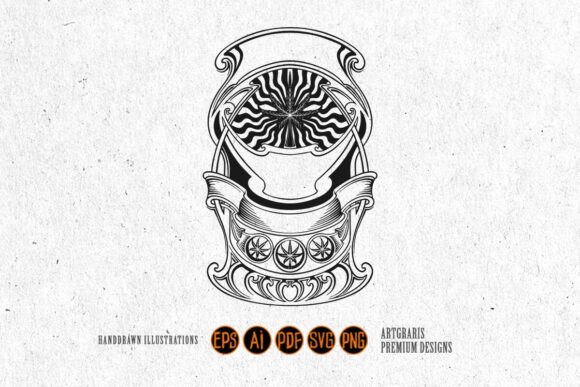
Vintage Outline of Art Nouveau Floral
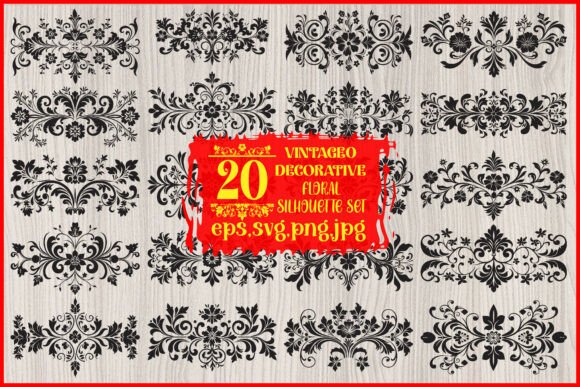
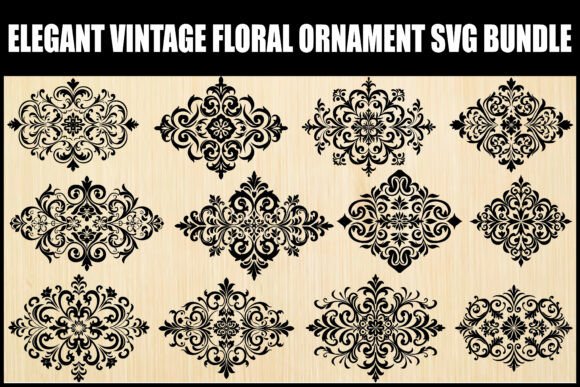
When I’m scouting for a new embroidery design to add to my studio’s library, I’m rarely looking for something that just “looks nice.” I need a file that translates well from screen to fabric, holds up under the needle, and resonates with customers who are paying for quality. Recently, I’ve been evaluating a Vector illustration Vintage Outline of Art Nouveau Floral Frame with Emblems Monochrome. On paper, it sounds like a standard decorative asset, but when you actually put it through the hoop, the story changes. This is a Graphics category piece that leans heavily into Illustrations, and as someone who reviews these files for real-world application, I want to break down exactly where this design shines and where it might trip you up.
The First Impression: Mood and Visual Personality
The moment you open this machine embroidery design, the first thing that hits you is the elegance of the line work. Art Nouveau is all about organic curves, whiplash lines, and natural forms, and this monochrome outline captures that aesthetic without getting muddy. It feels sophisticated, timeless, and slightly romantic. For an Etsy seller or a small shop product owner, this mood is gold. It doesn’t scream; it whispers. That makes it incredibly versatile for branding, boutique items, and high-end personalized gifts.
Because it is presented as a frame with emblems, the layout naturally guides the eye. It creates a border rather than dominating the entire canvas. This is crucial for custom apparel and home decor because it leaves room for other elements—like a name, a date, or a small logo—without creating visual clutter. The monochrome nature of the source vector means you aren’t locked into a specific color palette immediately. You have the freedom to choose thread colors that match your brand identity or your customer’s preference, whether that’s classic black on white, soft pastels for nursery items, or metallics for evening wear accents.
Real-Life Application: Where This Design Fits Best
I spent some time thinking through how this embroidery project would perform in actual production scenarios. Here is where I see the highest potential for success:
- Tote Bag Design: This is perhaps the strongest use case. A large cotton tote bag provides a flat, stable surface that allows the intricate curves of the Art Nouveau frame to stitch out clearly. When paired with a simple handmade product message or a minimalist logo in the center, the result looks like a premium boutique item.
- Sweatshirt Embroidery: Heavy cotton blends hold up well to the tension of the frame. Placing this outline across the chest or centered on the back creates a striking statement piece. The monochrome look works particularly well on heather grey or navy sweatshirts, offering a subtle contrast that feels modern yet vintage.
- Kitchen Towels and Tea Towels: Linen or cotton tea towels are perfect for this kind of delicate line work. The frame can act as a border for a recipe title or a family name. It elevates a basic kitchen accessory into a thoughtful holiday gift or wedding present.
- Baby Embroidery: While detailed, the smooth curves of Art Nouveau are gentle on the eyes. On baby clothes or burp cloths, using soft, pastel thread colors within this frame can create a beautiful, heirloom-quality finish. Just be mindful of the scale.
- Embroidered Patch: If you are making patches for jackets or bags, this outline can serve as the outer boundary. It gives the patch a finished, professional look compared to a simple satin-stitched edge.
In terms of commercial embroidery, this design has high resale value. It fits seamlessly into collections for spring/summer fashion, bohemian-themed events, and rustic weddings. It also serves as excellent design assets for creating printable mockups to sell digital planners or stationery sets, bridging the gap between physical and digital products.
Technical Considerations and Stitch Performance
As a reviewer, I have to look past the pretty picture and think about the mechanics. How does this digital embroidery file behave under the machine? Since it is an outline-based vector, it likely relies heavily on satin stitch for the main borders and possibly running stitch for finer details. This is generally good news for stability, as satin stitches provide structure.
However, the level of detail in Art Nouveau patterns can sometimes lead to issues if not digitized correctly. You need to check the stitch density closely. If the lines are too thin and crowded, the fabric may pucker, or the thread may break. Conversely, if the density is too high, the fabric becomes stiff and loses its drape, which is bad for garments like t-shirts or lightweight aprons. Always inspect the small details in the emblems. Are they clear, or do they merge into a blob? In a finished product, blurry details kill perceived value instantly.
Another critical factor is the hoop size. Ensure the design fits comfortably within your standard hoops (usually 5x7, 6x10, or larger) without requiring complex re-hooping, unless you are prepared for the extra labor. If the design is meant to be very large, such as on a blanket or a large banner, make sure your machine can handle the dimensions or that the file can be split effectively.
Where to Use With Caution
No design is perfect for every situation. There are specific scenarios where this embroidery file might struggle:
- Small Hoop Sizes: If you are trying to fit this elaborate frame into a tiny 3x3 hoop, you will lose the nuance of the curves. The fine lines may disappear or become distorted. Stick to medium to large hoops for best results.
- Textured or Stretchy Fabrics: Knits, jerseys, and heavily textured weaves can distort the precise lines of an outline design. The fabric movement during stitching can cause the satin stitch to wobble. If you must use these fabrics, a heavy-duty stabilizer is non-negotiable.
- Dark Fabric Without Underlay: Because this is a monochrome outline, contrast is key. Stitching light threads on dark fabric requires a solid underlay to prevent the thread from sinking into the weave. Without proper stabilization, the design may look faint or uneven.
- Curved Surfaces Like Caps: While possible, embroidering a flat frame onto a curved cap brim or crown can result in distortion. It requires advanced techniques and careful hooping to keep the lines straight.
Practical Designer Notes Before You Start
Before you commit this embroidery project to a final sale item, follow these practical steps to ensure quality:
- Test on Scrap Fabric: Never go straight to the final garment. Run the design on the exact same fabric type and weight you plan to use. This reveals puckering, thread tension issues, and color interactions.
- Check Thread Color Contrast: Even though the source is monochrome, your choice of thread matters. Test both light and dark backgrounds to see which offers better readability and aesthetic appeal.
- Review Stitch Density: Zoom in on the digital preview. Look for areas where stitches might overlap unnecessarily or where gaps are too wide. Adjust the settings in your embroidery software if needed.
- Inspect Small Details: Look at the emblems and corners. Are they sharp? Do they require excessive trimming? If they are too small, consider simplifying the design digitally before stitching.
- Confirm Licensing: This is vital for any Etsy seller or craft business. Verify that you have the right to use this graphics asset for commercial purposes. Some vectors are for personal use only. Selling finished items without proper rights can lead to serious legal issues.
- Use Proper Stabilizer: Match your stabilizer to your fabric. Tear-away for wovens, cut-away for knits, and hooped stabilizers for delicate items. This ensures the finished product remains flat and durable after washing.
Final Verdict
The Vector illustration Vintage Outline of Art Nouveau Floral Frame with Emblems Monochrome is a strong contender for designers looking to add a touch of elegance to their catalog. It is not just another generic flower pattern; it has character, structure, and versatility. Whether you are creating custom apparel, personalized gifts, or boutique branding, this design offers a professional foundation that customers appreciate.
Its success ultimately depends on execution. Pay attention to fabric choice, stabilization, and thread selection. When done right, this embroidery project can transform a simple tote bag or sweatshirt into a standout piece that drives engagement and trust. It’s a smart addition to any small business merchandise lineup, provided you respect its technical requirements and licensing terms. For now, it earns a recommendation for anyone seeking a refined, adaptable, and visually appealing embroidery design that bridges the gap between traditional artistry and modern craft commerce.